The Hydrangea Flower: A
The Hydrangea Flower: A Guide to Growing and Caring for These Beautiful Blooms
Hydrangeas are some of the most popular flowering shrubs in the world, and for good reason. They are known for their large, showy blooms that come in a variety of colors, from blue to pink to white. Hydrangeas are also relatively easy to grow and care for, making them a good choice for gardeners of all skill levels.
In this blog post, we will provide an in-depth guide to growing and caring for hydrangeas. We will cover everything from choosing the right variety to planting and watering to pruning and fertilizing. We will also provide some tips on how to extend the hydrangea's blooming season.
Choosing the Right Variety
There are over 70 species of hydrangeas, and each one has its own unique characteristics. Some hydrangeas are deciduous, meaning they lose their leaves in the winter, while others are evergreen. Some hydrangeas grow tall and bushy, while others are more compact. And some hydrangeas bloom in shades of blue, while others bloom in shades of pink, white, or green.
When choosing a hydrangea variety, it is important to consider the following factors:
- Hardiness zone: Hydrangeas are hardy in USDA hardiness zones 3-9. However, some varieties are more cold-hardy than others. If you live in a cold climate, you will need to choose a variety that is hardy in your zone.
- Size: Hydrangeas can range in size from small shrubs to large trees. If you have limited space, you will need to choose a compact variety.
- Bloom color: Hydrangeas come in a variety of bloom colors, including blue, pink, white, and green. Choose a variety that will complement the other plants in your garden.
- Bloom time: Hydrangeas bloom in the spring and summer. However, some varieties bloom earlier or later than others. If you want to extend the hydrangea's blooming season, you can choose a variety that blooms over a long period of time.
Planting and Watering
Hydrangeas prefer moist, well-drained soil. They should be planted in a location that receives full sun or partial shade. If you live in a hot climate, you may need to provide some afternoon shade for your hydrangeas.
Hydrangeas need regular watering, especially during the first year after planting. Once they are established, they can tolerate some drought. However, they will bloom better if they are watered regularly.
Pruning
Hydrangeas should be pruned in the spring, before they start to bloom. Pruning will help to shape the plant and encourage new growth. It will also remove any dead or diseased branches.
The amount of pruning that you need to do will depend on the variety of hydrangea that you have. Some varieties need more pruning than others. If you are not sure how to prune your hydrangea, it is best to consult with a professional gardener.
Fertilizing
Hydrangeas need to be fertilized regularly to produce their best blooms. You can fertilize your hydrangeas with a balanced fertilizer, such as a 10-10-10 fertilizer. Apply the fertilizer in the spring and summer, following the directions on the fertilizer label.
Extending the Blooming Season
The hydrangea's blooming season can be extended by following a few simple tips:
- Water regularly. Hydrangeas need regular watering, especially during the summer months.
- Fertilize regularly. Fertilize your hydrangeas with a balanced fertilizer in the spring and summer.
- Prune in the spring. Pruning in the spring will help to shape the plant and encourage new growth. It will also remove any dead or diseased branches.
- Add lime to the soil. If your soil is acidic, you can add lime to the soil to help the hydrangeas bloom blue.
- Protect from the cold. If you live in a cold climate, you may need to protect your hydrangeas from the cold in the winter. You can do this by wrapping the plant in burlap or covering it with a tarp.
Conclusion
Hydrangeas are beautiful and easy-to-grow shrubs that can add a touch of elegance to any garden. With a little care and attention, you can enjoy hydrangea blooms for many years to come.
Hydrangeas are beautiful flowers that come in a variety of colors, including blue, pink, purple, and white. They are native to Asia and the Americas, and were first cultivated in Japan. Hydrangeas are a popular choice for gardens because they are relatively easy to care for and can grow in a variety of climates.
If you are interested in learning more about hydrangeas, I recommend visiting . This website has a wealth of information about hydrangeas, including their history, different types, and how to care for them. You can also find photos of hydrangeas in bloom, as well as gardening tips and advice.
I hope you enjoy learning more about hydrangeas!
FAQ of flower of hydrangea
- What are hydrangea flowers known for?
Hydrangeas are known for their large, showy blooms that come in a variety of colors, including blue, pink, purple, and white. They are popular both as cut flowers and garden plants.
- What are the different types of hydrangeas?
There are over 70 species of hydrangeas, but the most common types are:
* Bigleaf hydrangeas (Hydrangea macrophylla): These hydrangeas have large, round flowerheads that can grow up to 12 inches in diameter. They are the most popular type of hydrangea and come in a variety of colors, including blue, pink, purple, and white.
* Smooth hydrangeas (Hydrangea arborescens): These hydrangeas have smaller, more delicate flowers than bigleaf hydrangeas. They are also known for their white flowers that turn pink in the fall.
* Panicle hydrangeas (Hydrangea paniculata): These hydrangeas have tall, cone-shaped flowerheads that can grow up to 18 inches long. They are known for their white flowers that turn pink in the fall.
* Oakleaf hydrangeas (Hydrangea quercifolia): These hydrangeas have leaves that resemble oak leaves. Their flowers are typically white or pale pink.
- What are the ideal growing conditions for hydrangeas?
Hydrangeas prefer moist, well-drained soil and dappled shade. They can tolerate full sun in cooler climates, but they will need more water in full sun.
- How do I care for hydrangeas?
Hydrangeas need regular watering, especially during the summer months. They also benefit from being fertilized in the spring and fall. To encourage blue flowers, fertilize your hydrangeas with a fertilizer that contains aluminum sulfate. To encourage pink flowers, fertilize your hydrangeas with a fertilizer that does not contain aluminum sulfate.
- What are some common hydrangea problems?
Some common hydrangea problems include:
* Leaf spot: This is a fungal disease that causes brown spots on the leaves. To treat leaf spot, remove infected leaves and spray the plant with a fungicide.
* Pests: Hydrangeas can be susceptible to a variety of pests, including aphids, scale, and spider mites. To control pests, spray the plant with an insecticidal soap or neem oil.
* Winter damage: Hydrangeas can be susceptible to winter damage in colder climates. To protect your hydrangeas from winter damage, mulch the soil around the plant and cover the plant with a burlap sack or other protective material.
Image of flower of hydrangea
5 different images of "flower of hydrangea" from Pinterest:
Blue hydrangea:
Pink hydrangea:
White hydrangea:
Green hydrangea:
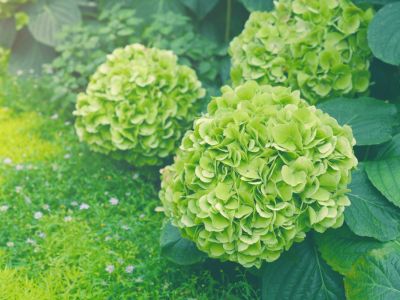
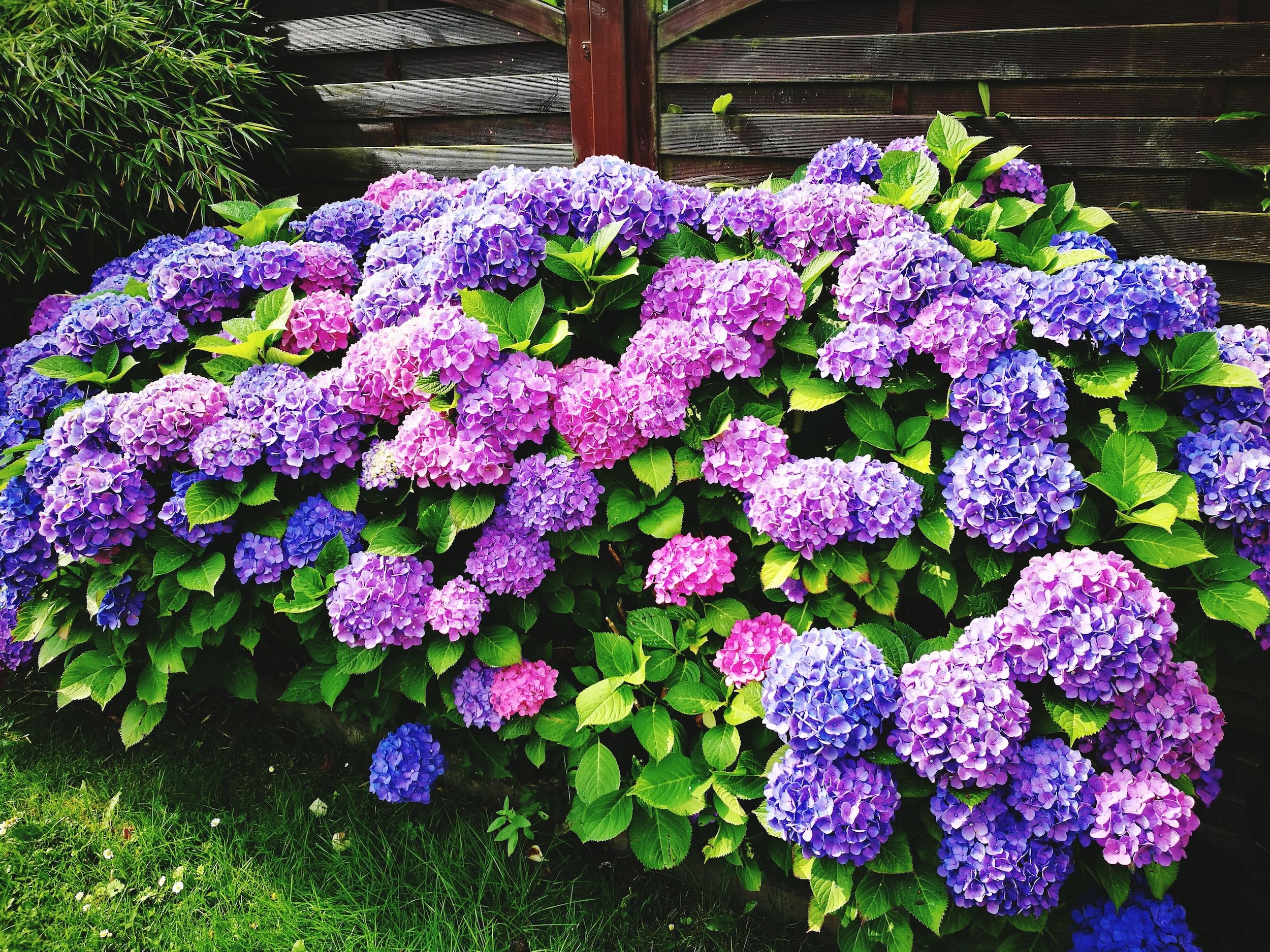
Mixed-color hydrangea:
Post a Comment for "The Hydrangea Flower: A"